


The Great Yard Goat Mix‑Up: A JLE Truckwash Field Guide

At JLE Truckwash, we spend a lot of time around equipment, drivers, and the organized chaos of distribution yards. So, when someone mentions a “yard goat,” we know exactly what they mean… or at least, we think we do.
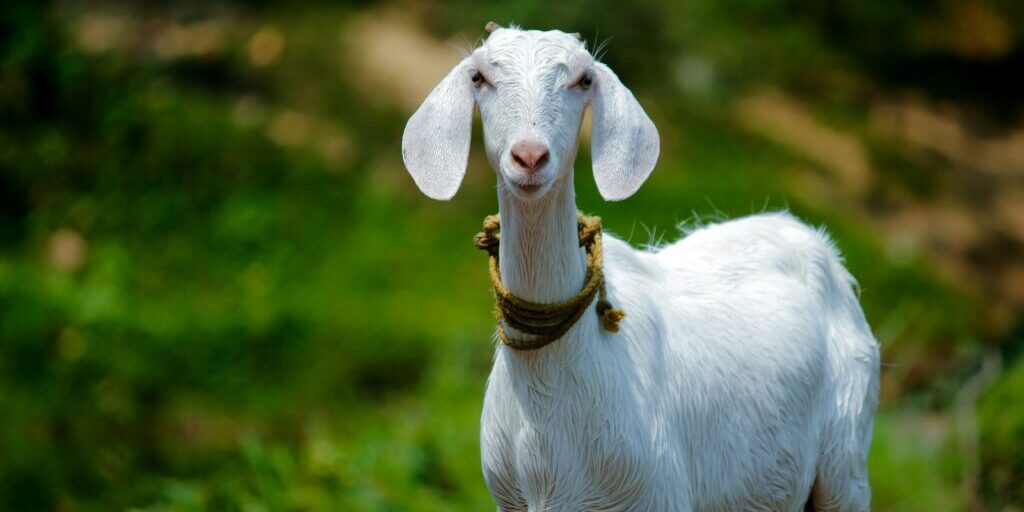
Because out in the wider world, there are actually two very different creatures that share that name. One is a four‑legged, grass‑powered landscaping machine. The other is a diesel‑powered, fifth‑wheel‑wielding champion of trailer movement.
Confusing them leads to some interesting mental images—and possibly a very unproductive day.
Yard Goat #1: The Field‑Clearing Original
This is the classic goat. The one with horns, hooves, and a personal vendetta against blackberry bushes. Its job is simple: eat everything green until the land looks like it’s been professionally shaved.
Key traits:
- Runs on grass, leaves, and pure determination
- Requires zero maintenance beyond water and the occasional “stop eating that”
- Will absolutely escape if you underestimate its problem‑solving skills
- Has never once moved a trailer, but will climb on one if given the chance
This goat is nature’s cleanup crew. It’s efficient, eco‑friendly, and blissfully unaware of OSHA.
Yard Goat #2: The Distribution Center Workhorse
Now we’re in JLE territory.
This yard goat doesn’t bleat. It beeps. Loudly.
It’s the specialized truck that moves trailers around a distribution yard with the precision of a chess grandmaster and the urgency of someone who’s been told Door 17 “should’ve been loaded an hour ago.”
Key traits:
- Runs on diesel and the operator’s caffeine supply
- Has a turning radius that makes engineers proud
- Lives to reposition trailers faster than dispatch can update the spreadsheet
- Natural enemy: poor yard planning and last‑minute hot loads
This goat is the backbone of freight flow. Without it, docks back up, tempers flare, and the entire operation starts to resemble a yard sale.
Goat vs. Goat: Why the Difference Matters
If someone tells you, “We’ve got two yard goats arriving Monday,” you need to know whether to:
- Prepare fencing and fresh vegetation
or - Clear the yard, prep the spotter lane, and make sure the maintenance team is ready
One goat beautifies your property.
The other beautifies your logistics.
Both are valuable. Only one should be left unattended near shrubbery.
The Goat vs. Goat Showdown
| Category | Field‑Clearing Goat | Trailer‑Moving Goat |
| Fuel Source | Grass | Diesel (and the occasional energy drink for the operator) |
| Noise Level | Mild bleating | OSHA‑compliant beeping |
| Primary Skill | Vegetation destruction | Trailer teleportation |
| Biggest Threat | Poison ivy | Dock 12 |
| Natural Enemy | Coyotes | Poor yard planning |
| Can It Climb? | Yes | Only emotionally |
The JLE Takeaway
At JLE Truckwash, we work with the trailer‑moving kind every day. We clean them, we keep them compliant, and we help keep distribution centers running smoothly. But we’ll admit—there’s something charming about the idea of a fuzzy goat wandering through a yard, casually chewing on a pallet while a spotter truck tries to figure out how to get around it.
If you ever see a goat eating blackberry bushes while hooked to a 53‑footer, though… that’s when you call us. Because something has gone very, very wrong.
Call us today to schedule your rental for your next busy season or unexpected downtime. You can reach Trey at 971-563-3363.
Apply the JLE Private Label Truck Wash solution and discover how JLE offers way more than just clean.
We are ready to help
503-448-1182
Address
3333 Index St. #B3
Washougal, WA 98671